
Mini Facelift London
Mini Facelift
The “mini facelift” is one of the most searched for terms with regards to facial rejuvenation, especially by those looking for a less invasive and lower-commitment option for early signs of ageing. However, the results that can be achieved by it are limited, and in the great majority of cases, Mr Yapa now recommends a deep plane lower face and neck lift instead of a mini facelift when modest change is the goal, which he believes delivers a stronger, more natural and far more durable result.
It is worth knowing at the outset that a “mini lift” is not a standardised term across surgeons and clinics. There is no single, agreed-upon definition of exactly what makes a procedure “mini”. The broad concepts below hold true wherever the term is used, but the specifics of what is actually done vary considerably from one surgeon to the next. This page is written to help you understand the procedure honestly rather than to encourage it and also how it compares to a full deep plane facelift.
If you are considering a mini facelift, Mr Kshem Yapa is a GMC-registered consultant plastic surgeon practising on Harley Street who combines advanced surgical techniques with a personalised and honest approach to care. Book your consultation to discuss the right approach for you.
Mini Face Lift London
The Procedure: At a Glance
Procedure length
Typically 1–2 hours
Cost
Hospital stay
Usually an outpatient procedure
Anaesthesia
Local anaesthesia with sedation, or general anaesthesia, by patient and surgeon preference.
Downtime
Most patients return to normal activities within around a week.
Sleeping
Sleep with your head elevated and avoid sleeping on your side for the first few days.
Showering
Wait at least 48 hours post-surgery before showering. Avoid direct water pressure on the surgical area.
Smoking & Drinking
Refrain from smoking and alcohol before and after the procedure.
Sun
Avoid direct sun exposure. Use a high SPF when outdoors.
Makeup:
Refrain from using makeup on the surgical area for at least 1 week.
Driving
Avoid driving for at least 1 week post-operation or until off pain medications.
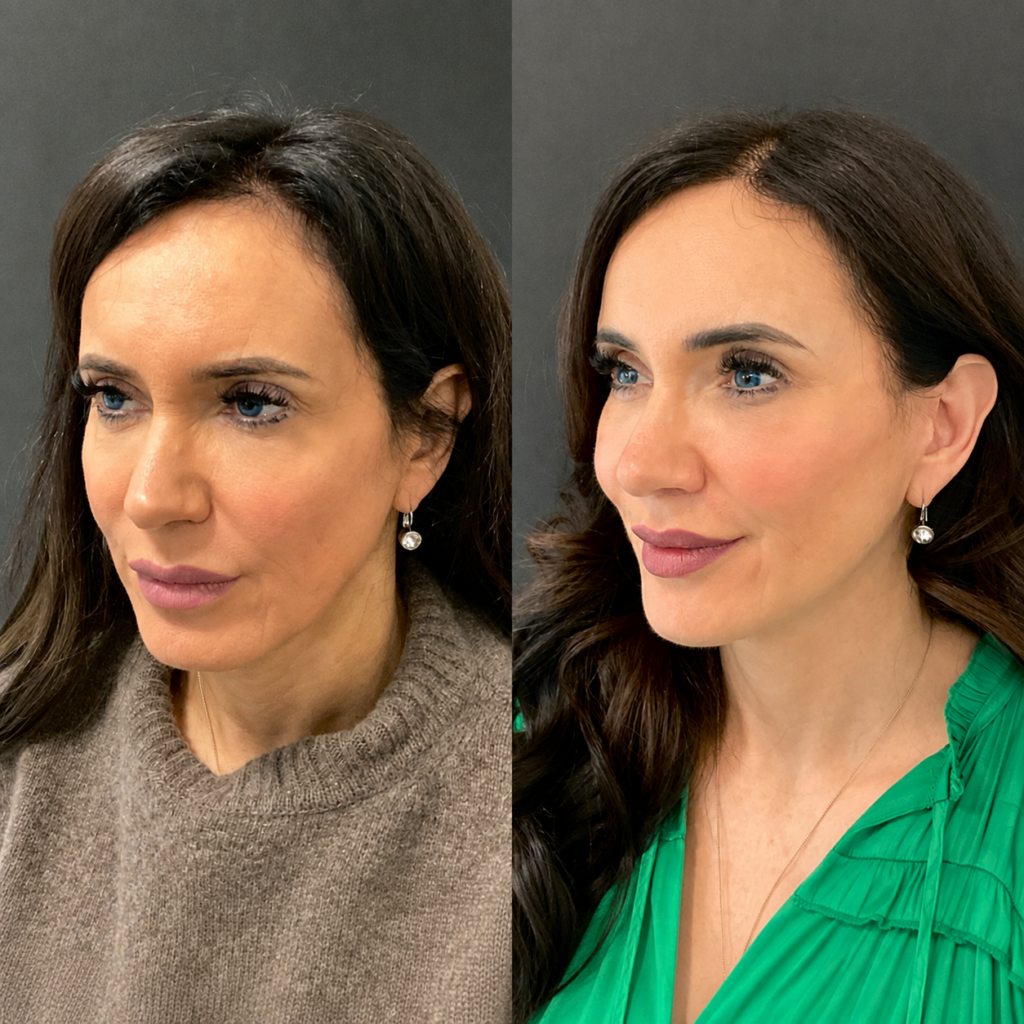
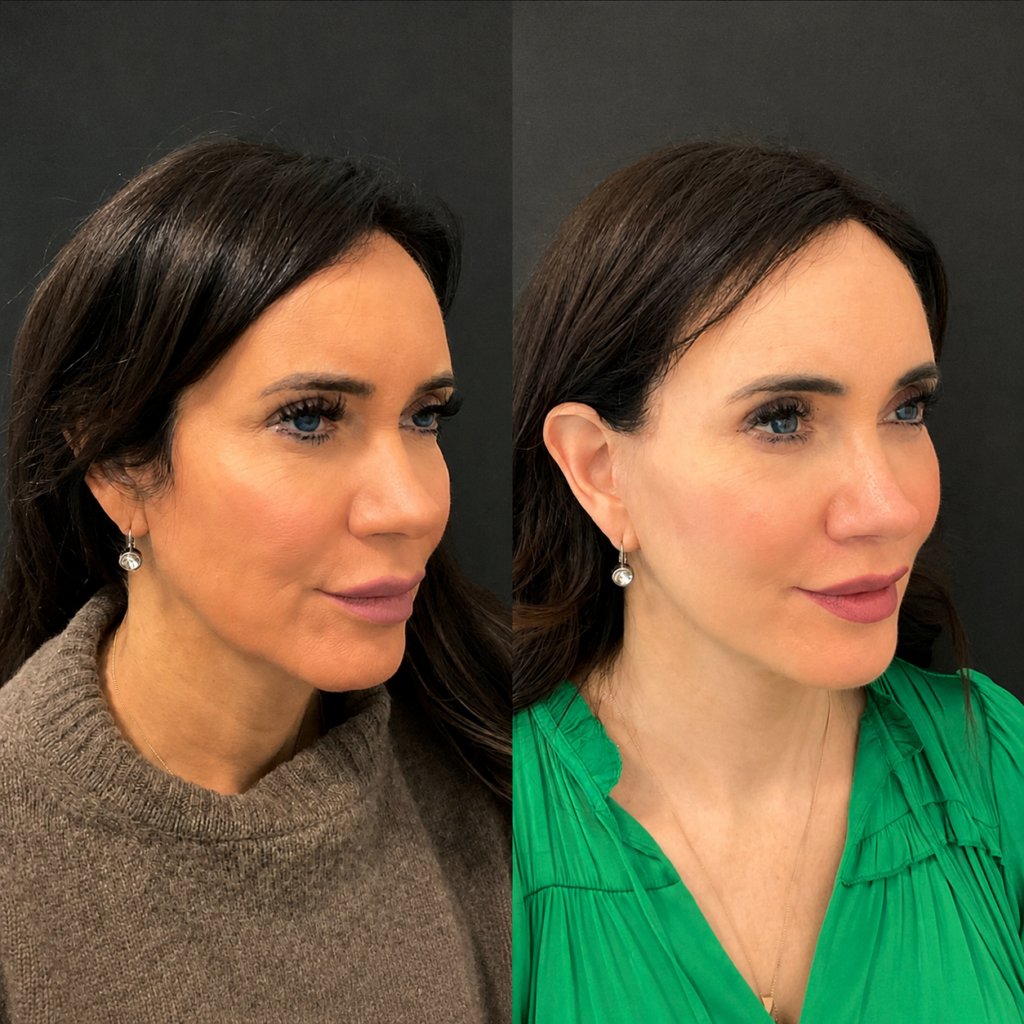
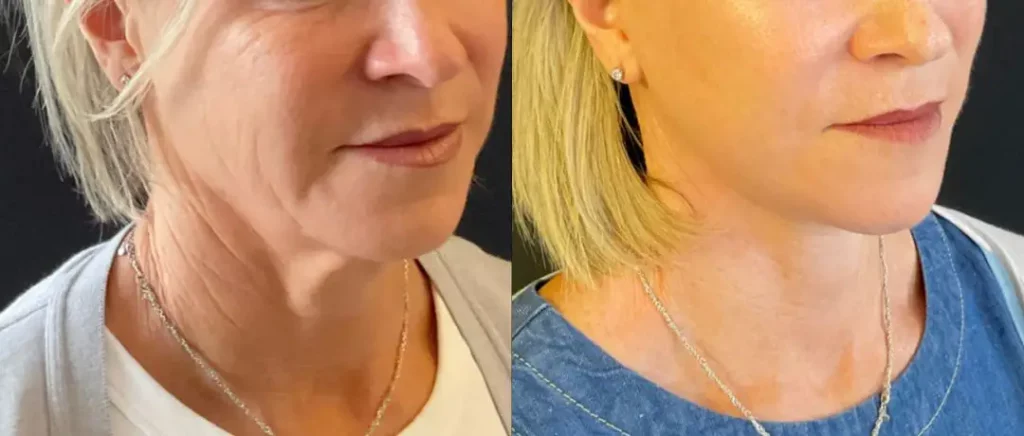
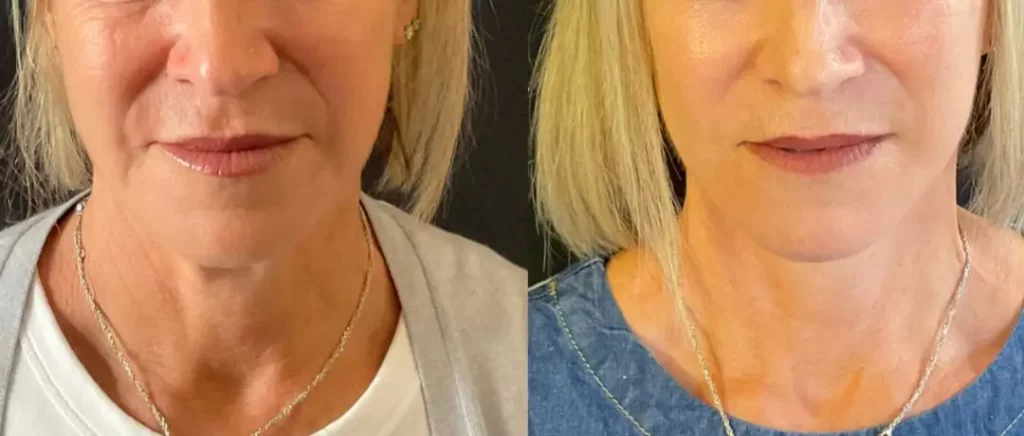
Before and After Mini Facelift


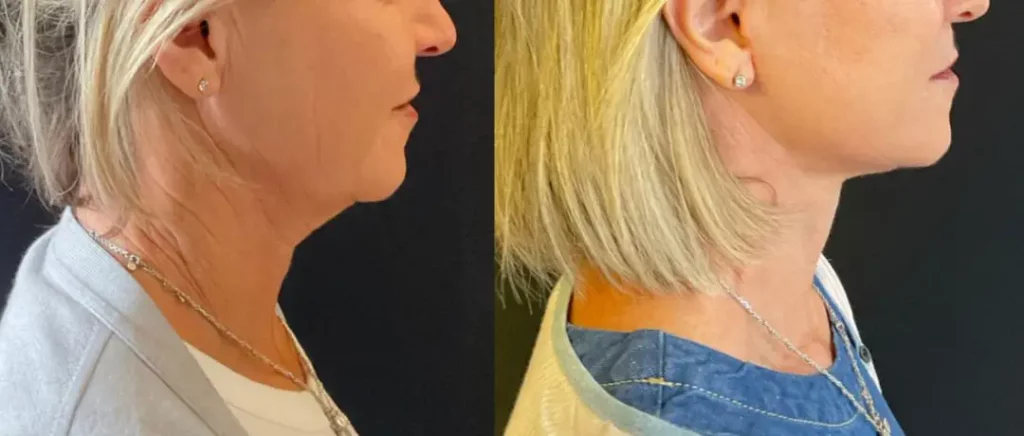
What is a Mini Facelift?
A conventional mini facelift is an SMAS-type procedure. Working through a limited dissection, the surgeon plicates (folds) or imbricates (overlaps) the SMAS and then re-drapes the skin. What is “mini” is the amount of dissection beneath the surface, not the incisions. In practice, the scars of a mini facelift are usually much the same as those of a fuller, more traditional facelift.
Two consequences follow from this, and both matter:
Because the deeper structures are only partially released, the lift has limited power and limited longevity.
To compensate for that lack of power, there is a temptation to hold the result by lifting and tightening the skin. Over-tightened skin produces an unnatural, pulled appearance and is a classic cause of stigmata such as the “pixie ear” deformity, in which the earlobe is pulled downward and distorted. This is not something Mr Yapa encourages or designs a procedure around.
Who would suit a mini facelift?
Honesty here is more useful than reassurance. In Mr Yapa’s practice, a mini facelift has one genuinely sensible role: a touch-up or re-tightening for someone who has already had a facelift and simply needs a modest refresh some years later. In that setting, the deeper work has already been done, and a limited SMAS procedure can be appropriate.
Mr Yapa does not advocate a mini facelift as a first facial rejuvenation operation. The popular idea that a younger person with modest changes should “start” with a mini facelift is a flawed one. If anything, earlier and modest changes are best treated by tightening the skin less and repositioning the deeper tissues more powerfully, which is precisely what a deep plane approach does and a mini facelift does not. Choosing a mini facelift as a first step often means accepting the same scars for a lesser, shorter-lived result.
Understanding the trade-offs
It is important to weigh the following honestly before considering a mini facelift:
Similar scars, smaller result:
The incisions are broadly the same as those of a fuller lift, but the underlying correction and therefore the improvement you see is more limited.
Limited longevity:
Because only the superficial layer is partially tightened through a limited dissection, the result is inherently less durable than a deep plane lift, which repositions the structural layer responsible for facial descent.
Risk of an over-tightened, “pulled” look:
Where skin is over-tightened to compensate for a weaker lift, the result can look unnatural and can distort the earlobe (“pixie ear”). Avoiding this is a central reason Mr Yapa favours deeper, tension-free techniques.
Less downtime:
A shorter recovery reflects how little has been changed beneath the surface. Lower downtime and lower impact go hand in hand.
For most people seeking a lower-commitment lift, a deep-plane lower-face and neck lift is the more sensible option.
Why Mr Yapa usually recommends a deep plane lower face and neck lift or endoscopic approach instead
If your changes are modest, the better option is a deep plane approach or an endoscopic approach the right one depends on where your concern lies, and each is performed properly rather than as a compromise.
If around the lower face and neck are the main concern, a deep plane lower face and neck lift is, in effect, the “mini version” of what Mr Yapa does. Like a full deep plane facelift, it works beneath the SMAS and keeps the skin and SMAS attached as a single unit, moving them together with minimal skin undermining concentrated over the lower face, jawline and neck. Because the lift comes from the released and repositioned deeper layer rather than from pulling the skin, it gives a greater, more natural and more durable improvement and avoids the over-tightening that leads to a windswept look or a pixie-ear deformity.
Where the upper face is the main concern, the brow, the area around the eyes and the cheeks, an endoscopic facelift and brow lift is often the more appropriate option. Performed through small, hidden incisions, it repositions the deeper tissues of the brow and midface with minimal scarring, addressing an area that a mini facelift is not designed to treat.
The principle is the same, whichever area is involved: aim for the fewest interventions over your lifetime, choose the right moment for surgery, and use a technique that repositions the deeper tissues when you do. For most people, that is a better strategy than an early mini facelift.
Combining a mini facelift with other procedures
Where a mini facelift is appropriate (most often as a touch-up after previous surgery), it can occasionally be combined with other treatments to refine the overall result. Suitability for any combination is assessed individually and always with safety as the priority.

A mini facelift does not restore lost facial volume. Adding facial fat grafting can help re-establish youthful contour where volume has been lost.

Eyelid Surgery
(Blepharoplasty)
Signs of ageing are often prominent around the eyes. Combining a lift with lower eyelid surgery can help create more balanced facial harmony.
Risks & Complications of Mini Facelift Surgery
Every surgical procedure carries risks and potential side effects, and these cannot be reduced to zero. Proper consultation and adherence to aftercare are essential to a safe procedure and a satisfactory outcome. For a mini facelift, the points to be aware of include:
Haematoma Formation
A collection of blood can form beneath the skin after surgery. If it does not resolve on its own, it may require further medical attention.
Risk of Infection
Surgical wounds may occasionally become infected, particularly in smokers. Following pre-surgery guidance, including stopping smoking, helps reduce this risk.
Wound Healing Challenges
Some patients experience slower wound healing, which can make scars more noticeable. This is more common in smokers.
Over-tightening and Contour Concerns
Where skin is over-tightened to hold the result, an unnatural, pulled appearance or earlobe distortion (“pixie ear”) can occur. Mr Yapa’s preference for deeper, tension-free techniques is specifically intended to avoid this.
Facial Nerve Damage
A rare but significant risk is temporary or, very rarely, longer-lasting weakness of facial movement.
Recovery for a Mini Facelift
Some bruising and swelling are a normal part of healing. Because a mini facelift changes relatively little beneath the surface, recovery is shorter than a full facelift, and most patients resume regular activities within 7-10 days. Continuity of care matters to us: suture removal and follow-up are performed by Mr Yapa’s specialist nursing team.
Every surgical patient receives a direct phone line to our specialist surgical nurse, available around the clock for any concerns, side effects or questions. We support our patients through every stage, from the initial consultation to the end of recovery.
As for how long the result lasts, expectations should be realistic. A mini facelift is a less durable procedure than a deep plane lift, and its effect is more modest and shorter-lived.

Book your consultation
If you would like to discuss this procedure in detail and understand if it’s the right procedure for your goals, book a consultation with Mr Kshem Yapa.
“I feel fantastic, look fantastic and natural. I can’t praise Mr Yapa enough. From the moment I met him I felt I am in good hands. I had many questions and he was always happy to provide answers and advice. He is very knowledgeable, professional and caring for his patients.”
DEEP PLANE Facelift patient
“Fantastic experience that I couldn’t fault what so ever! From the consultation to the operation to the anaesthetist and to the after-care has been nothing but exceptional, Dr Yapa an amazing Surgeon who achieves exactly what you ask for. I would have no hesitation what so ever recommending him to anyone.”
Browlift and upper blepharoplasty patient
“Mr Yapa understood what I wanted and went above and beyond to make it happen. During our consultation, I wanted a slight change in my nose, not to be a swoop just straight and he did just that. He understood what I wanted and just went above and beyond for it. This beyond what I expected. He is an amazing, empathetic surgeon.”
Rhinoplasty patient
“Kshem Yapa is a brilliant surgeon and has built a diligent and thoroughly professional team around him. Deep plane facelift surgery is a daunting experience and he and his colleagues were reassuring, pragmatic and kind throughout the whole process. If you are looking for a specialist facial plastic surgeon I highly recommend him and his team. “
DEEP PLANE FACELIFT patient
As seen on




Mini Facelift FAQs
How much does a mini facelift in London cost?
The cost of a mini facelift will vary depending on several factors, such as the local anaesthetic and surgical techniques used. The cost of a mini facelift starts at £8,000. This cost includes anaesthetic, surgical expenses, post-operative care and more, which will be disclosed during your consultation. Complex procedures may also influence the cost of a mini facelift, and of course, combination treatments will vary.
How long will the results of a mini facelift last?
Results are more limited and less durable than a deep plane lift and vary with your individual ageing, sun exposure, smoking and general health. Mr Yapa will give you a realistic, personalised expectation at the consultation.
Is a mini facelift right for me if I’m younger with only modest changes?
Usually not. It is a common assumption, but a flawed one. Earlier, modest changes are generally best treated by tightening the skin less and repositioning the deeper tissues more, which a deep plane lower face and neck lift achieves and a mini facelift does not. Mr Yapa’s advice is to have the fewest interventions over your lifetime and to choose a deep-plane approach at the right time, rather than starting with a shorter-lived operation.
When does Mr Yapa consider a mini facelift appropriate?
Most commonly as a touch-up or re-tightening for someone who has already had a facelift procedure and needs a modest refresh some years later. In that situation, the deeper work has already been done, and a limited SMAS procedure can make sense.
How does a mini facelift differ from a deep plane facelift?
A mini facelift only partially tightens the SMAS through a limited dissection, so its power and longevity are limited and the scars are broadly similar to a fuller lift. A deep plane facelift and its focused counterpart, the lower face and neck lift, release and reposition the deeper layer and ligaments, so the skin never carries the result. This gives a stronger, more natural and more durable outcome.
MINI-FACELIFT CONSULTATION LONDON
Book Your Appointment
Taking the first step towards any cosmetic surgery procedure is a big decision, and we are here to support you from the very beginning. During your consultation, Mr Yapa will take the time to understand your concerns, explain your options honestly and outline what you can realistically expect from a mini facelift. He will also discuss any alternative procedures that may be better suited to your needs and deliver more effective results.
2026 consultation dates are now available to book online, costing £250 (redeemable against your surgery should you wish to go ahead). You can join our waiting list to be notified when new dates become available. For general enquiries or to learn more about our procedures and services, please use the form below to request a callback.
