
Facial Fat Grafting London
Facial Fat Grafting (Fat Transfer To Face)
Facial fat grafting, also referred to as fat transfer to the face, offers a natural, enduring way to restore volume and rejuvenate your appearance using your own body fat. Time, stress, and environmental damage can gradually wear away the facial volume that once gave your features softness and structure. Crow’s feet deepen, cheeks flatten, and areas like the temples, lips, and under-eye hollows lose their youthful curve.
Mr Kshem Yapa performs facial fat grafting in London as a highly customised procedure, transferring purified fat from areas like the abdomen or thighs into the face. The goal of facial fat grafting is to restore harmony, subtly lift the face, and soften the signs of ageing, all without relying on synthetic fillers. Facial fat transfer is frequently combined with deep plane facelift surgery to restore lost midface volume alongside structural lifting. You can view some of Mr Kshem Yapa’s results for facial fat grafting in our before and after gallery.
Request a consultation for facial fat grafting in London today.
A Natural Alternative to Fillers
Unlike temporary fillers, fat transfer to the face offers long-lasting results with a soft, natural feel. Your own fat integrates with surrounding tissue, and becomes a living part of your facial structure. The results evolve over weeks following surgery, gradually settling into place to produce smoother contours and youthful fullness, particularly in the cheeks, under-eyes, jawline, nasolabial folds, and lips.
Facial Fat Grafting London
The Procedure: At a Glance
Procedure Length:
Approximately 2-4 hours, depending on areas treated.
Day Case:
You can go home on the same day.
Anaesthesia:
Typically general anaesthesia, though local anaesthesia with sedation is also an option.
Downtime:
Typically, 1-2 weeks.
Showering:
Keep the surgical areas dry for the first 48 hours. Gentle cleansing is permissible after 48 hours.
Sleeping:
Elevate your head while sleeping and avoid direct pressure on the face for at least 1-2 weeks.
Make-Up:
Avoid application to the treated areas for 2 weeks.
Driving:
Refrain from driving for at least 48 hours post-procedure or while on pain medication.
Smoking:
Avoid smoking at least 4 weeks prior to and 4 weeks after the procedure.
Direct Sun Exposure:
Limit sun exposure and always use a high-SPF for at least 6 weeks post-procedure.
Before and After Facial Fat Grafting


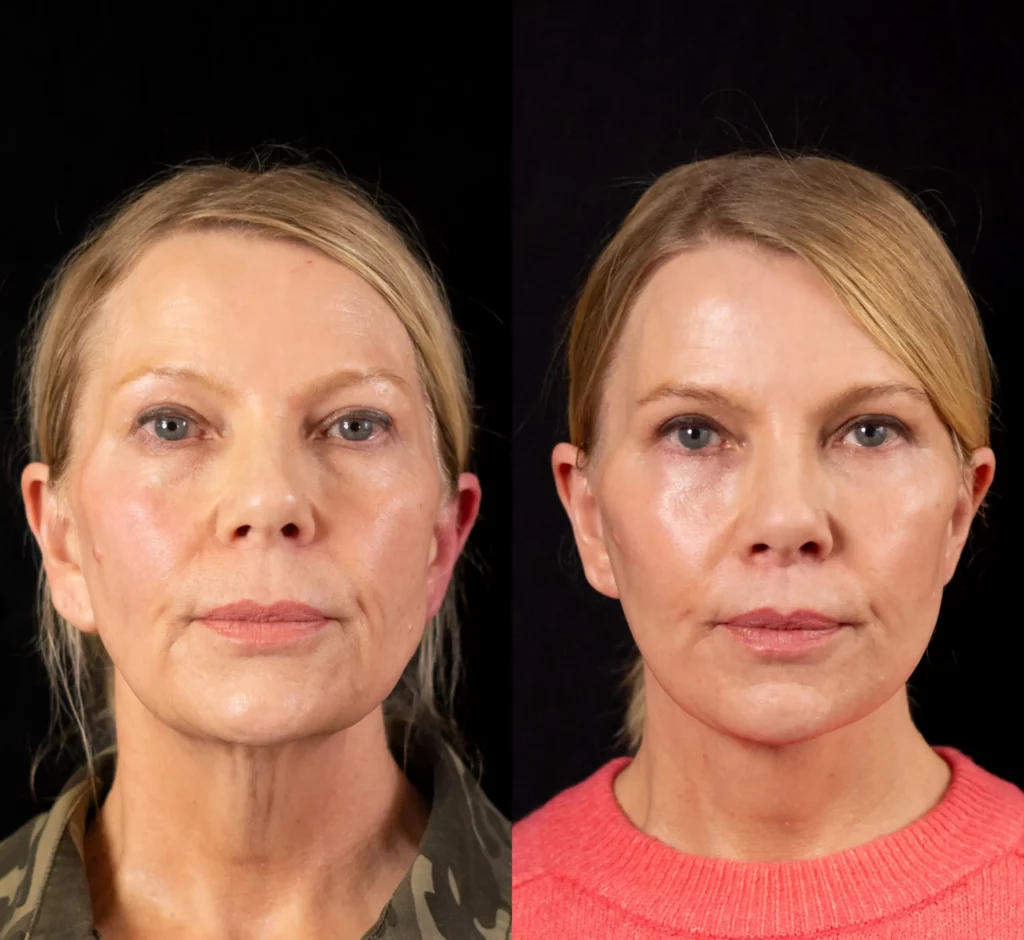

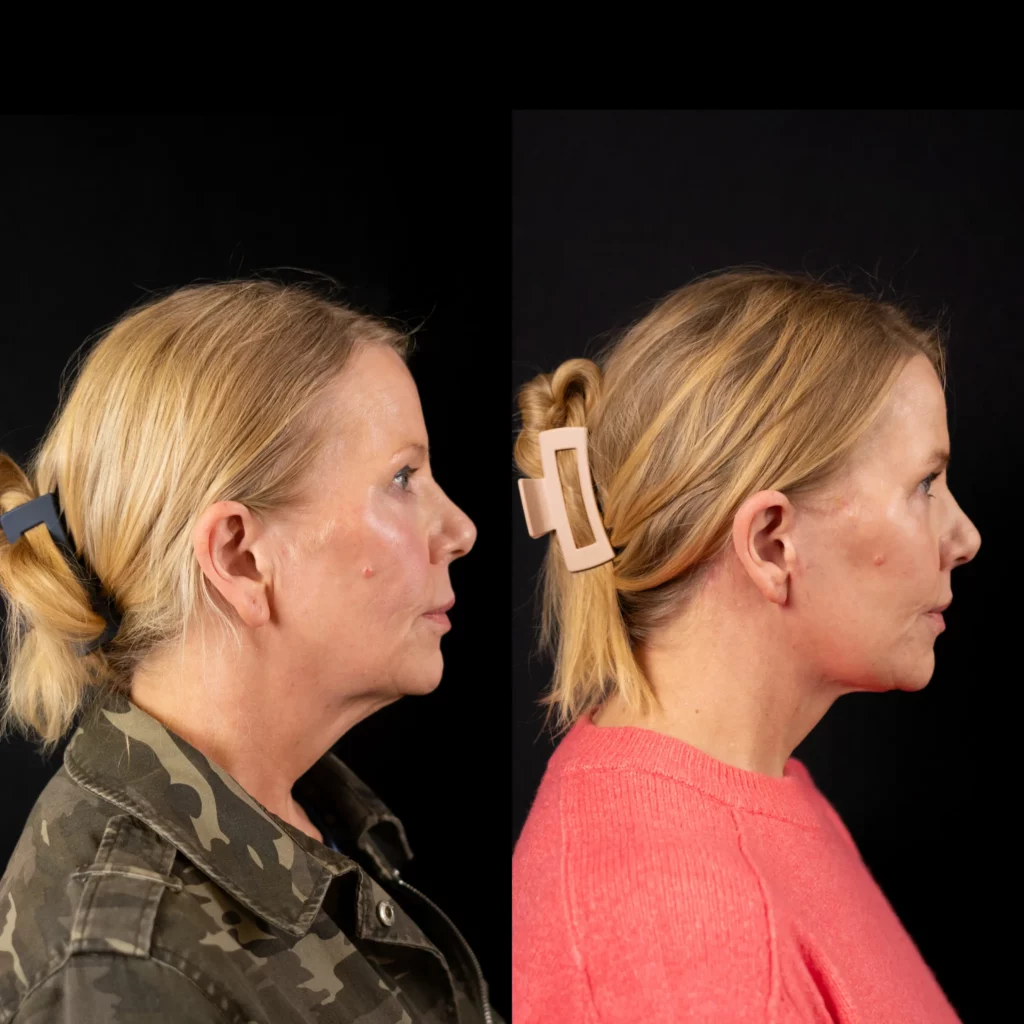
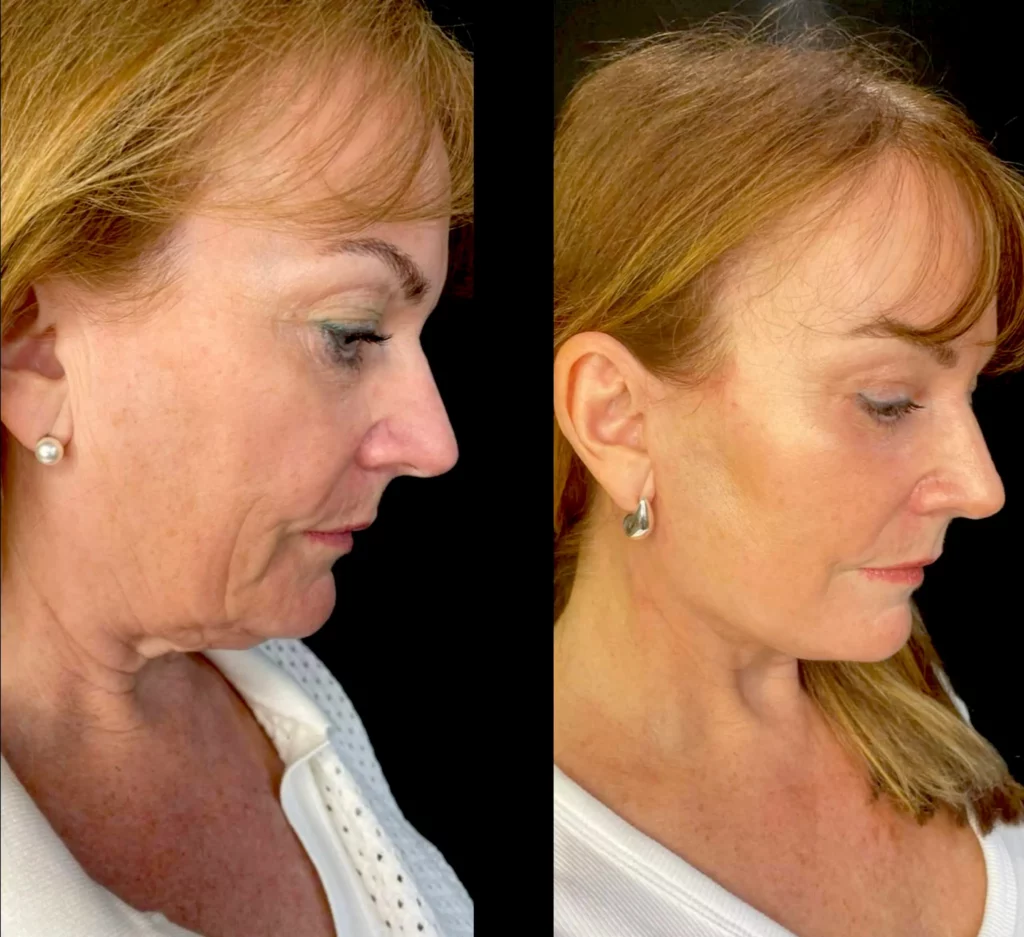
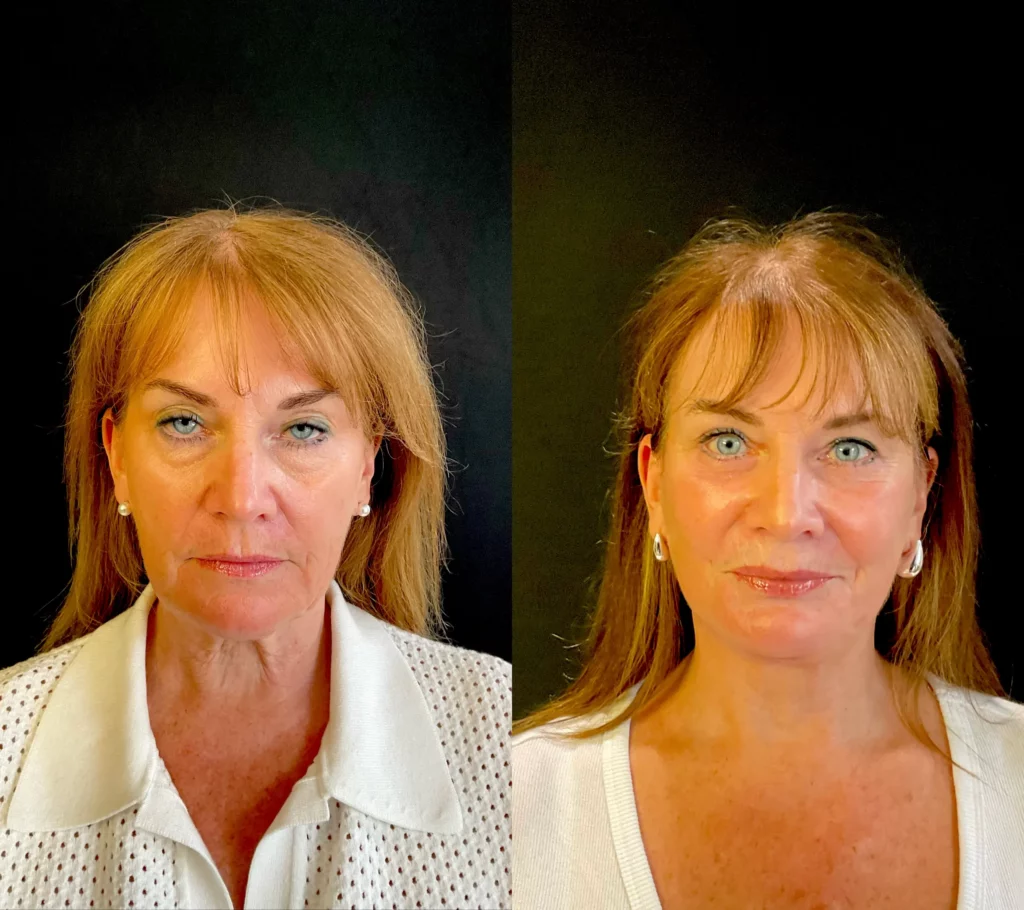
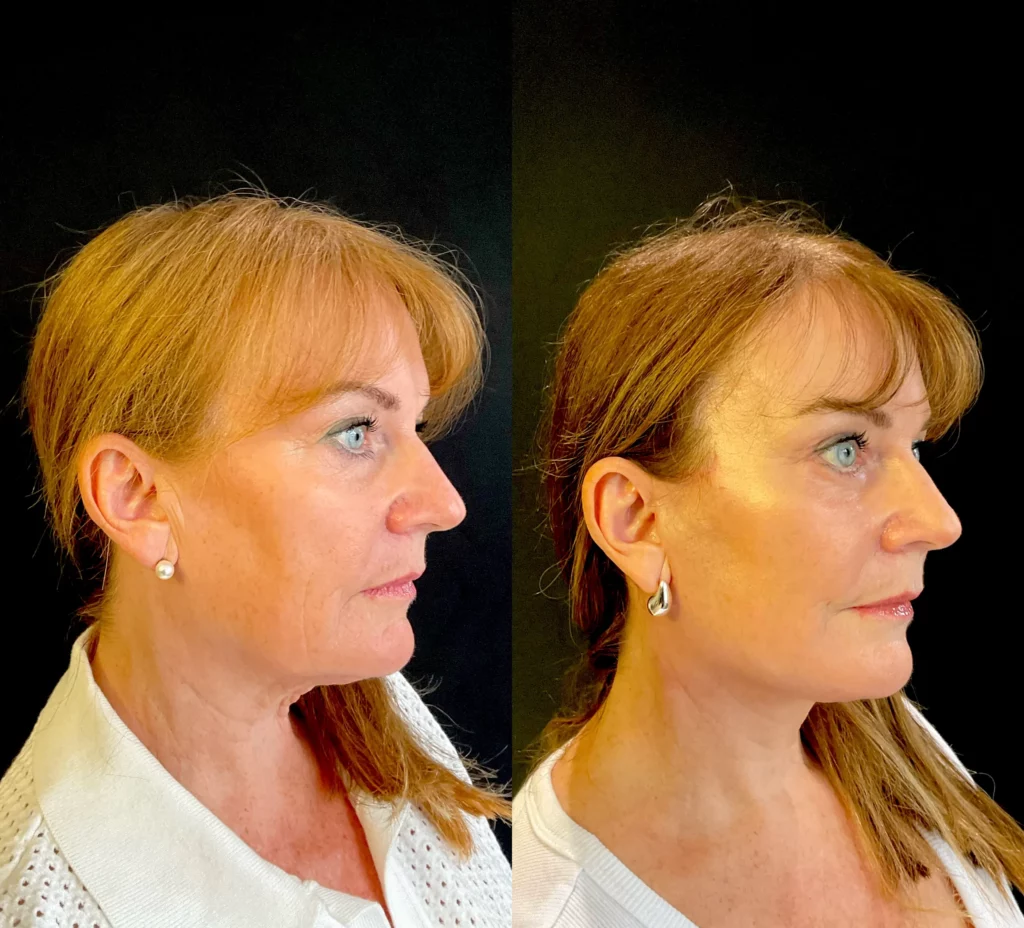
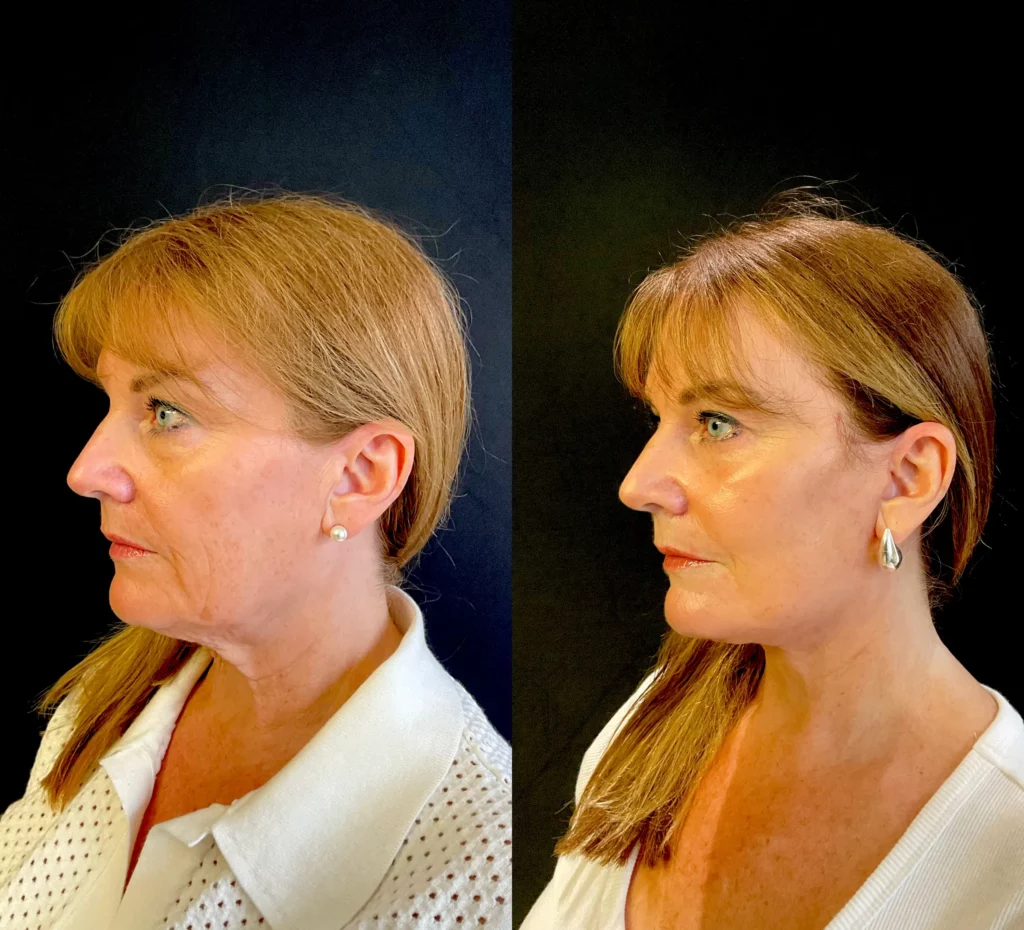
Benefits of Facial Fat Grafting
As you contemplate the decision to undergo facial fat grafting, it’s important to be fully informed about the benefits that this procedure can bring. This can help solidify your decision but also aid in setting realistic and informed expectations for the outcome. Mr Kshem Yapa is dedicated to ensuring that every patient is comprehensively educated and comfortable prior to making their choice. Below are the benefits you can expect following a facial fat grafting procedure:
Natural and Enduring Results:
Utilising your own fat cells, facial fat grafting alleviates the need for synthetic fillers, offering not only a safe and biocompatible solution but also delivering results that are both natural-looking and long-lasting.
Refinement of Facial Contours:
The transferred fat is strategically placed in areas such as the cheeks, temples, or under the eyes in a way that can profoundly restore lost volume and enhance facial contours. This approach aims to accentuate your youthful appearance and delicately revive your inherent facial structure.
Minimised Risk of Allergic Reactions:
Since the procedure focuses on using your own bodily resources, the risk of allergic reactions or rejection is reduced. Facial fat grafting can therefore be regarded as a particularly safe option when compared to other cosmetic procedures.
Concurrent Body Contouring:
As the fat used in the grafting procedure is harvested from your own body, areas such as the abdomen or thighs, this naturally offers the added benefit of subtle body contouring. This dual-action process not only rejuvenates the facial area but also refines the donor site, addressing multiple aesthetic concerns in a singular procedure.
London Facial Fat Grafting Procedure Steps
Facial fat grafting has evolved significantly over the years, employing a range of surgical techniques to ensure effective and long-lasting results. Understanding these techniques can provide clarity about the procedure and what to expect. Below, we delineate the primary methods utilised in facial fat grafting:
Harvesting
The initial step involves the extraction of fat from a donor site, commonly the abdomen, thighs, or flanks. This is typically achieved through a minimally invasive liposuction procedure, ensuring minimal scarring and discomfort.
Purification
Once the fat is harvested, it undergoes a purification process to separate the viable fat cells from other components like blood or anaesthetic solution. Centrifugation or sedimentation are the standard techniques employed for this purpose.
Reinjection
The purified fat is then loaded into small syringes, ensuring precision during the transfer. Using microcannulas, the fat is delicately injected into the target areas of the face in tiny aliquots. This ensures optimal blood supply to the transferred fat, enhancing its survival.
PRP Augmentation (optional)
Platelet-rich plasma (PRP) is sometimes utilised to improve the longevity and viability of the grafted fat. PRP is derived from the patient’s own blood and, when combined with the fat graft, can potentially enhance the overall results.
It’s important to recognise that the precise technique and approach might vary depending on individual needs and Mr Kshem Yapa’s expertise. A thorough consultation with Mr Kshem Yapa will provide tailored information and insights specific to your facial structure and rejuvenation goals.
Facial Fat Grafting Risks and Complications
While facial fat grafting is a well-established and routinely performed procedure, potential risks and complications can still happen. Mr Kshem Yapa and his team are committed to adhering to the highest standards of practice, ensuring that risks are kept to a minimum through rigorous health and safety protocols. However, as with any surgical procedure, there are inherent risks. Here are the potential complications of facial fat grafting:
Volume Reduction
Post-procedure, it is possible that up to 50-60% of the transferred volume might be absorbed by the body. This might necessitate a touch-up procedure for optimal results.
Bruising and Swelling
Common side effects post-operatively include bruising and swelling in the treated areas. These typically resolve on their own and are temporary in nature.
Altered Sensation
Some patients may experience numbness or a changed sensation in the areas where fat has been transferred. This usually subsides over time.
Asymmetry
Minor discrepancies in volume loss between the two sides of the face might result in subtle asymmetry. It’s noteworthy, however, that natural faces are rarely perfectly symmetrical.
Infection and Bleeding
While uncommon, there is a possibility of infection and bleeding post-procedure. Adhering to post-operative guidelines significantly minimises these risks.
Intravascular Injection
A rare but severe complication is the inadvertent injection into a blood vessel. This can lead to embolism, stroke, blindness, or skin necrosis. It’s crucial to have the procedure performed by a qualified and experienced professional to mitigate such risks.
Facial Fat Grafting Recovery
Understanding the recovery and aftercare process is vital as it significantly affects the procedure’s outcome and helps facilitate the best recovery. Here’s what you need to know:
Settling of Transferred Fat:
Post-procedure, a portion of the transferred fat will naturally be absorbed by the body. Typically, around 30% of the fat may be reabsorbed within the first 6-12 months. Fat that remains after this period will stabilise and behave similarly to other body fat, adjusting to weight, hormonal, and age-related changes. To counteract this absorption, Mr Kshem Yapa may slightly overfill the treated areas, ensuring long-lasting, natural results.
Swelling Duration:
Swelling post-facial fat grafting is a common side effect and can last between 1-2 weeks. It’s advisable to allocate at least a week, if not two, for recovery, and avoiding work and social commitments during this period. Elevating the treated areas and applying cold compresses can assist in reducing swelling.
Post-Procedure Discomfort:
Patients might experience swelling, bruising, and soreness for up to a week in both the treated facial areas and the donor sites. While the discomfort is generally manageable, you can always ask Mr Kshem Yapa for suitable pain relief options.
Aftercare Recommendations:
- Avoid massaging the treated area for several days post-procedure.
- Avoid sleeping face-down for a few days to ensure the fat settles correctly.
- Avoid smoking. It can adversely affect the survival of the transferred fat.
- Refrain from vigorous activities until directed by Mr Kshem Yapa
- Stay well-hydrated to support the transferred fat and promote recovery.

Book your consultation
If you would like to discuss this procedure in detail and understand if it’s the right procedure for your goals, book a consultation with Mr Kshem Yapa.
“I feel fantastic, look fantastic and natural. I can’t praise Mr Yapa enough. From the moment I met him I felt I am in good hands. I had many questions and he was always happy to provide answers and advice. He is very knowledgeable, professional and caring for his patients.”
DEEP PLANE Facelift patient
“Fantastic experience that I couldn’t fault what so ever! From the consultation to the operation to the anaesthetist and to the after-care has been nothing but exceptional, Dr Yapa an amazing Surgeon who achieves exactly what you ask for. I would have no hesitation what so ever recommending him to anyone.”
Browlift and upper blepharoplasty patient
“Mr Yapa understood what I wanted and went above and beyond to make it happen. During our consultation, I wanted a slight change in my nose, not to be a swoop just straight and he did just that. He understood what I wanted and just went above and beyond for it. This beyond what I expected. He is an amazing, empathetic surgeon.”
Rhinoplasty patient
“Kshem Yapa is a brilliant surgeon and has built a diligent and thoroughly professional team around him. Deep plane facelift surgery is a daunting experience and he and his colleagues were reassuring, pragmatic and kind throughout the whole process. If you are looking for a specialist facial plastic surgeon I highly recommend him and his team. “
DEEP PLANE FACELIFT patient
As seen on




Facial Fat Grafting FAQs
How Long Does Fat Transfer to The Face Last?
Fat transfer to the face is a more permanent solution to restoring volume in the face, while utilising your own fat stores and creating a more rejuvenated appearance. Once integrated, the transferred fat becomes a living part of your facial tissue. Typically, 60–70% of the grafted fat survives the initial healing period and the fat that remains at around the 6-month mark is considered permanent and will age with you naturally. The results of facial fat grafting can last many years, with longevity supported by stable weight, healthy lifestyle habits, and good skincare.
How Much Fat is Needed For The Procedure?
The volume of fat needed for the treatment differs between each patient and is subject to their desired outcomes. On average, facula fat grafting can require anywhere between 20–60ml of fat. Smaller volumes are typically used around delicate areas such as the eyes, while larger volumes are placed in areas like the cheeks or temples to create the ideal facial symmetry. As touched on, overfilling is sometimes necessary to account for expected resorption, therefore your plan will be carefully customised by Mr Yapa to achieve balanced, long-term results.
Will I Look Overfilled Or Puffy?
Mr Yapa’s approach to aesthetic improvements prioritises natural results, and with his adept experience in facial-rejuvenation techniques, he is one of the most favoured UK surgeons for such reasons. Fat is injected in micro-droplets using a layered, conservative method. This avoids clumping or puffiness and ensures the fat integrates evenly with the surrounding tissue. You may appear slightly fuller in the first few weeks due to swelling and strategic overcorrection, but this refines naturally as healing progresses and natural fat absorption takes place.
What’s The Cost of Facial Fat Grafting in London?
The price of a fat transfer to face with Yapa Plastic Surgery starts from £7,200, and can be subject to the following adjustments:
- The number of areas treated
- Whether PRP is included
- The complexity of fat harvesting
- Any combined procedures
A full, bespoke quote is provided following your consultation with Mr Yapa. Unlike dermal fillers that require regular top-ups, this is a one-time treatment that can give you the fullness you are looking for, completely alleviating side effects such as migration; which can leave you looking aged beyond your years.
Can Facial Fat Grafting be Combined With Other Treatments?
In most cases, facial fat grafting can be combined with other treatments, and many prefer to do so in order to achieve their desired results within a more streamlined surgical and recovery process. Common combinations may include facelifts, neck lifts, and upper blepharoplasties to target specific areas of the face, providing a lift whilst also subsiding the loss of volume with facial fat grafting. Combining treatments allows for a more comprehensive result and a single recovery period.
How Soon Can I Wear Makeup Following a Fat-to-Face Transfer?
Your facial fat grafting surgeon Kshem Yapap will advise you to avoid applying makeup to the treated areas for at least 2 weeks, or until swelling and any scabbing have resolved. When you resume makeup, use mineral-based or non-comedogenic products, and apply them with clean tools to avoid irritation or infection. Being gentle with your skin during this time is crucial for the success of your recovery, be sure to consult with the medical support by Yapa Plastic Surgery should you have any questions during recovery.
Will There Be Scarring From The Fat Harvesting?
The liposuction required to harvest fat is performed using very small cannulas, making entry points typically less than 5mm and placed in discreet areas (e.g., the belly button or bikini line). Rest assured that scarring is minimal and usually fades to near invisibility with proper aftercare. To limit the visibility of the incision site, be sure to keep it out of direct sunlight and treat this area as carefully as you would any other surgical site.
Will The Fat Move After It’s Injected?
The short answer is no, your fat will not move from its deposit site following facial fat transfer surgery. Once the fat has integrated with local tissue and established its blood supply (typically within a few weeks), it becomes a stable part of your face. It won’t migrate, but as with all natural tissue, it will age and respond to weight changes in a normal, proportionate way. Should you have any further questions, get in touch with the Yapa Plastic Surgery team to arrange for your consultation.
Facial Fat Grafting CONSULTATION LONDON
Book Your Appointment
Mr Yapa approaches every consultation with the time and honesty that this decision deserves. He will assess your concerns, walk you through the options available, and give you a clear, realistic picture of what facial fat grafting surgery could achieve for you. If a different approach would serve you better, he will say so.
2026 consultation dates are now available to book online, costing £250 (redeemable against your surgery should you wish to go ahead). You can join our waiting list to be notified when new dates become available. For general enquiries or to learn more about our procedures and services, please use the form below to request a callback.
