
Deep Plane Neck Lift London
Deep Plane Neck Lift
The deep plane neck lift is a surgical procedure that works below the superficial layers of tissue to address the structural causes of ageing in the neck and jaw. By releasing and repositioning the deeper anatomical layers rather than simply tightening the skin on the neck, it produces results that are more natural, more complete, and longer-lasting. While it can be performed in isolation, it is often combined with the Deep Plane Facelift.
At Yapa Plastic Surgery, this procedure is performed by Mr Kshem Yapa, a GMC-certified Consultant Plastic Surgeon practising from Harley Street and St John and Elizabeth’s Hospital in London. He is experienced in deep plane facelifts and rejuvenating the neck lifts.
Deep Plane Neck Lift London
The Procedure: At a Glance
Procedure Length:
Typically 2-4 hours
Cost:
Prices starting from £15,900
Anaesthesia:
General anaesthesia or sedation based on patient and surgeon preference
Downtime:
2 weeks expected recovery time
Hospital Stay:
An outpatient procedure but an overnight stay can be arranged if necessary
Sleeping:
Elevating the head and neck is recommended for 1–2 weeks to minimise swelling
Showering:
Gentle showering allowed 48 hours post-procedure, avoiding direct water pressure on the surgical area
Smoking:
Avoid smoking at least 4 weeks before and after surgery to optimise healing
Make-Up:
Makeup use can be resumed after 2 weeks, or once sutures are removed
Sun Exposure:
Limited sun exposure is recommended for at least 6 weeks post-procedure
Driving:
Typically restricted for 1–2 weeks post-procedure
Physical Activity:
Light activities after 2–3 weeks, rigorous activities after 6–8 weeks
Before and After Deep Plane Neck Lift
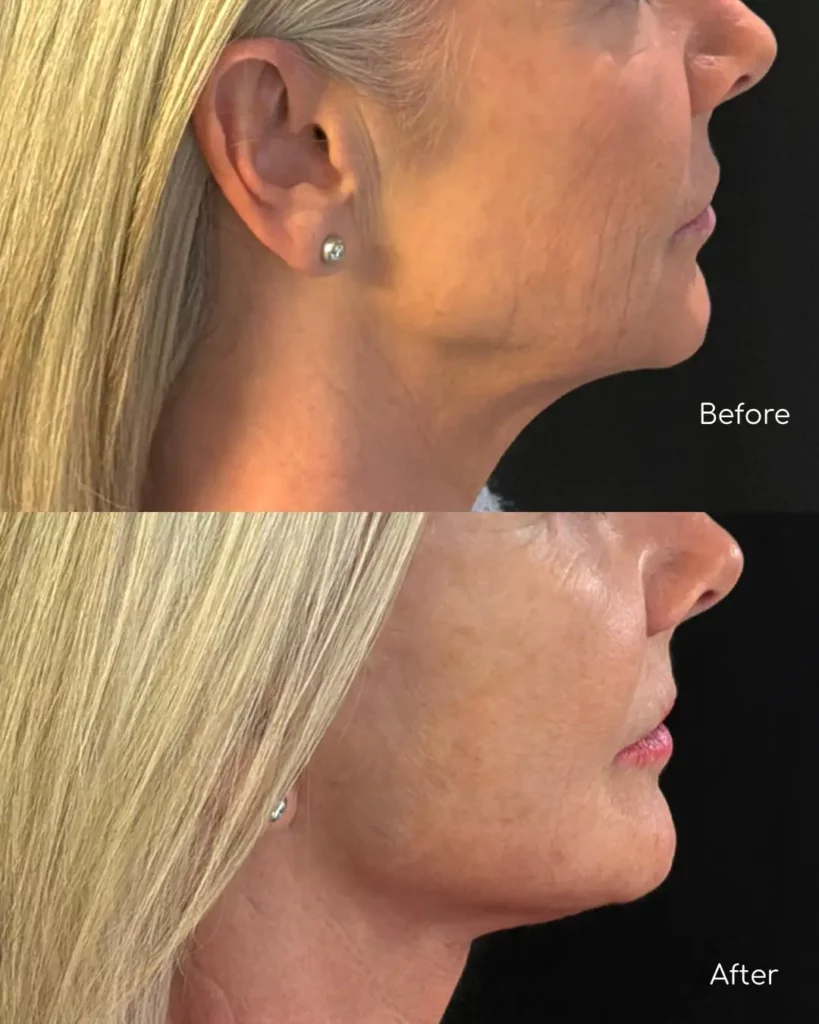

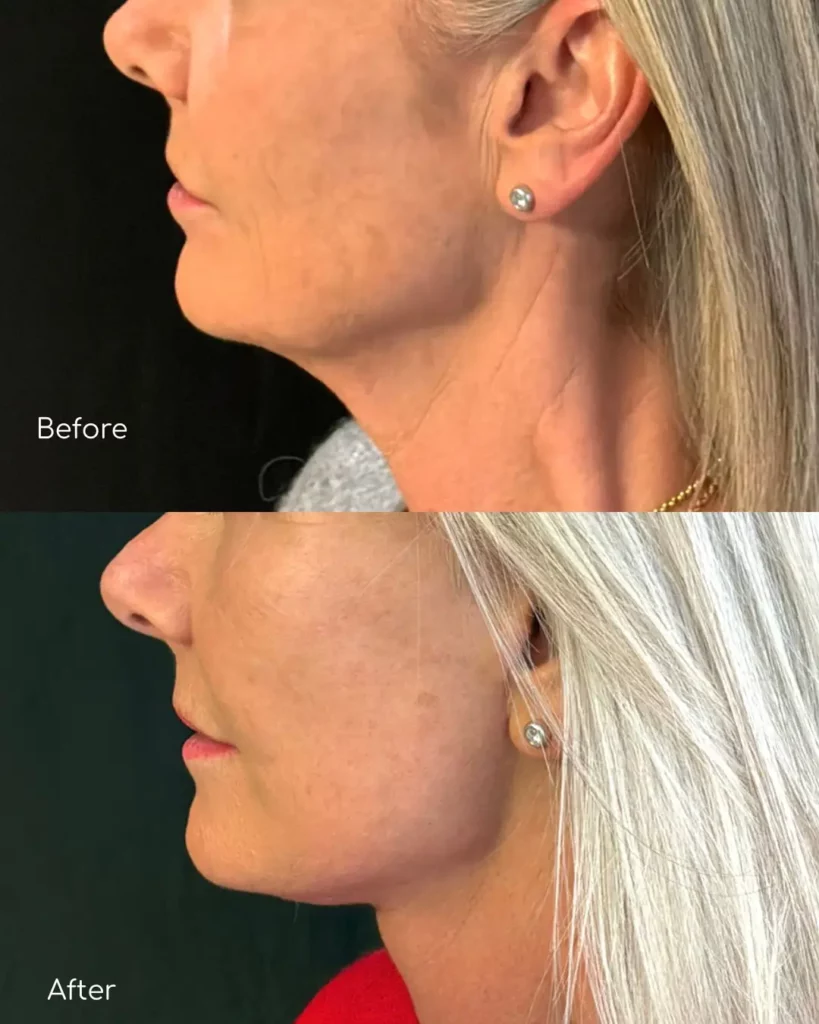

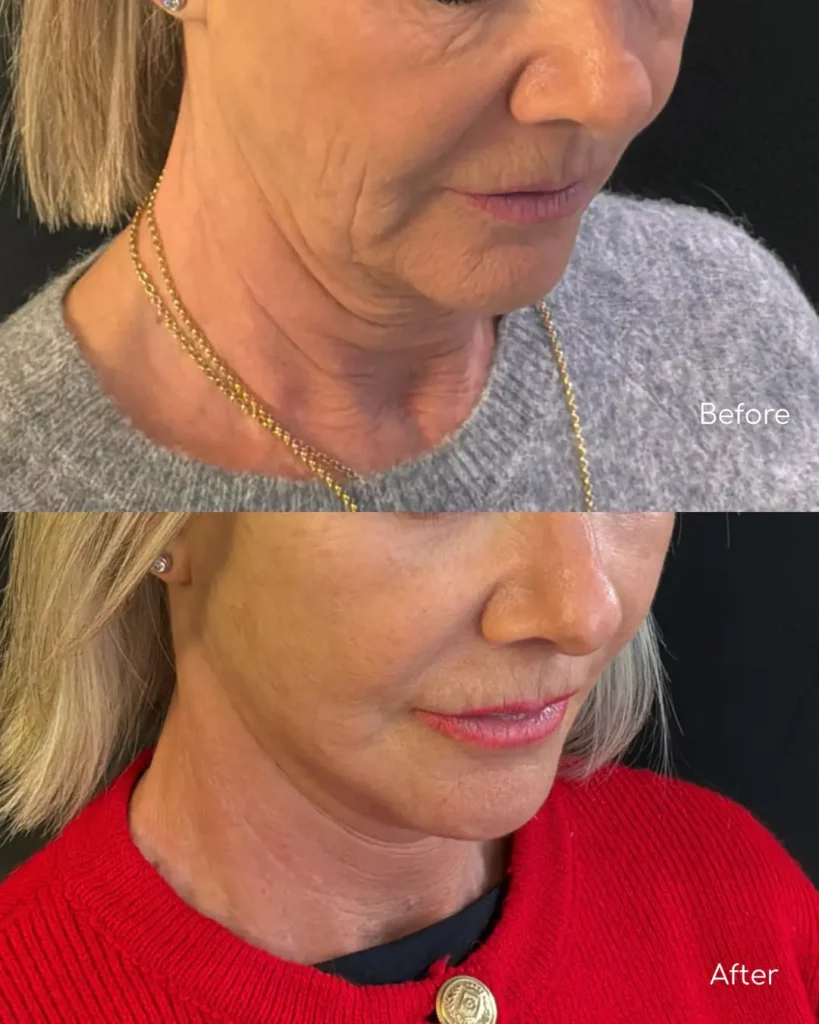
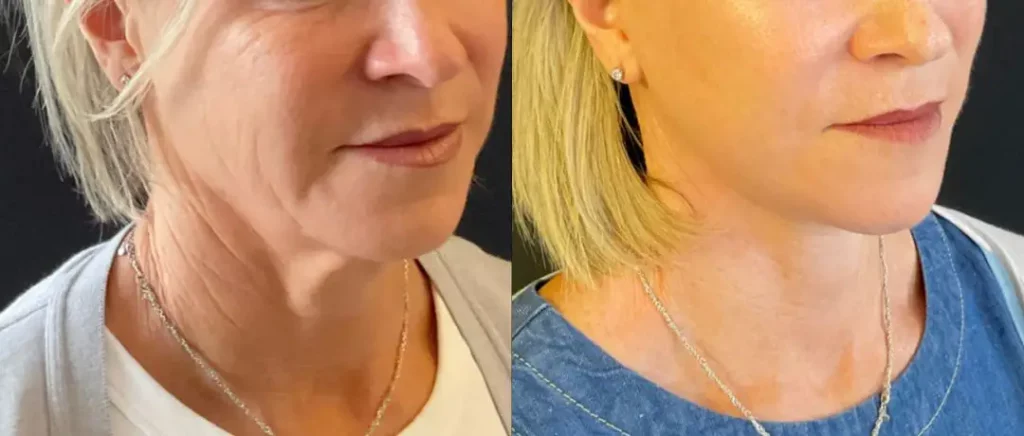


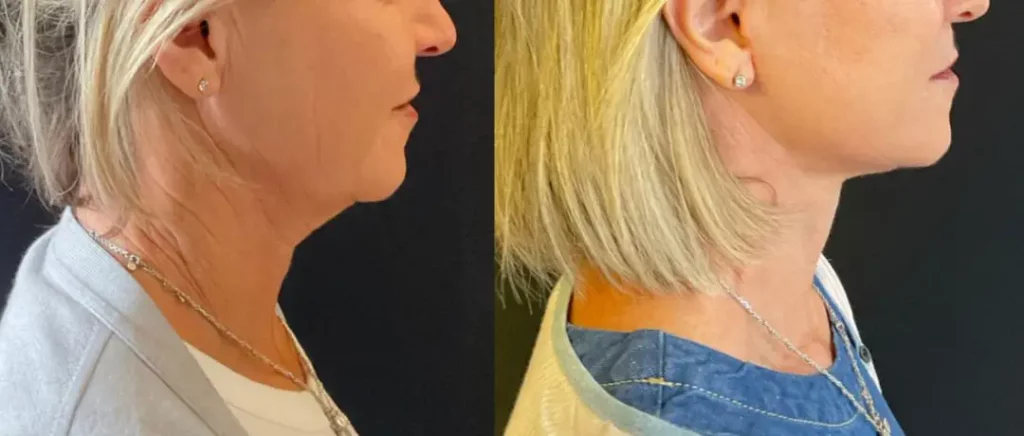
Benefits of a Deep Plane Neck Lift
The deep plane neck lift addresses the structural origins of neck ageing rather than its visible surface effects. Where a traditional facelift or other neck rejuvenation options tighten at the surface, the deep neck lift approach works at a deeper anatomical level, offering a level of cosmetic surgery correction for sagging skin, neck laxity, and structural changes in the jawline and neck that non-surgical treatments cannot replicate. Many patients chose to combine a deep plane neck lift with a deep plane facelift.
Learn more about our Deep Plane Facelift in London
Eliminate a Double Chin
The deep plane neck lift removes and sculpts fat in the neck and beneath the chin, including deposits beneath the platysma that a standard approach cannot reach. For patients concerned about a turkey neck or double chin, the result is a cleaner, more defined neck and a visible reduction in submental fullness.
Define the Jawline
The deep plane technique restores jawline definition by repositioning the underlying structures of the face rather than tightening at the surface. It can also address deep nasolabial folds and jowl definition, improving the appearance of the neck following both age-related changes and weight loss.
Natural-Looking Results
Because the neck is lifted from within rather than pulled at the surface, the deep plane technique avoids the tight or operated appearance that even a modern facelift approach can sometimes produce when applied superficially. Working at the level of the deep facial tissue, the result is a youthful appearance that looks genuinely rested and refreshed.
Graceful Neck Contouring
Sculpting the neck at its anatomical foundation produces an elongated, youthful contour that complements the face as a whole and supports lasting rejuvenation of the neck. The procedure can also improve how open-necked and collared clothing sits.
Minimal Scarring
Incisions are strategically placed beneath the chin and behind the ears, concealed within the face’s natural contours. With attentive aftercare, facelift scars from this procedure typically settle into thin, barely noticeable lines over time.
Long-Lasting Outcomes
Because the deeper tissues are repositioned rather than stretched, deep plane facelift results are typically more durable, with most patients enjoying long-lasting results for ten to fifteen years. How well facelift results last depends on genetics, sun exposure and lifestyle. Following Mr Yapa’s guidance will support optimal results.
Deep Plane Neck Lift Procedure
Every deep plane necklift is planned around the individual. As a structural neck lift, the broad sequence of the facelift procedure remains consistent, but the precise approach reflects your anatomy, the extent of your concerns, your aesthetic goals, and the outcome you are looking to achieve.
Anaesthesia
Before neck surgery begins, an anaesthetist will administer the appropriate combination of medications to keep you comfortable and safe throughout. Mr Yapa works with experienced anaesthetists at both Harley Street and The Lindo Wing of St Mary’s Hospital.
Making the Incisions
A discreet incision is made beneath the chin, providing access to the underlying neck structures. Additional incisions are carefully planned around the ears to allow Mr Yapa to address the deeper neck area, refine the jawline, and remove excess skin. Each incision is positioned within the face’s natural contours to keep scarring as inconspicuous as possible.
Releasing the Deep Plane
This is where the deep plane facelift procedure differs from a standard approach. The deep plane neck lift works beneath the surface layers, releasing the deep muscle and tissue attachments that hold the neck in place. Using this deep plane facelift technique, Mr Yapa can reposition these structures as a whole rather than simply pulling at the skin.
Fat Removal & Contouring
Deep fat deposits beneath the chin and around the neck are removed or reshaped to create a cleaner, more sculpted contour. This includes fat situated beneath the platysma muscle in the neck, which contributes to fullness that surface-level treatments cannot address.
Deep Tissue & Gland Reshaping
In some cases, Mr Yapa may refine deeper structures in the head and neck, including certain muscles and glands that can add to fullness with age. This deeper level of work is what allows the deep plane technique to produce a more refined and balanced result.
Muscle Tightening
The platysma is tightened along the midline to reduce visible banding and restore a smooth neck profile. Over time, this muscle can become lax, contributing to changes in the skin on the neck that are difficult to correct without surgical intervention.
Skin Redraping & Closure
Once the deeper structures are in place, the neck skin is carefully redraped and any excess removed. The incisions are closed with care to allow scarring to settle as discreetly as possible. A small drain may be placed temporarily to support healing.
Risks & Complications of Deep Plane Neck Lift Surgery
Mr Yapa discusses the risks of this advanced facelift technique honestly and in full during your consultation. All patients should feel well-informed about what those risks are before making any decision to proceed.
Scarring
Incisions are placed within the neck’s natural contours, beneath the chin, and behind the ears to keep scarring as discreet as possible. How visibly scars settle depends on individual skin type and adherence to post-operative care guidance.
Haematoma
A haematoma is a localised collection of blood beneath the skin that can occur in the days following surgery. Smaller haematomas often resolve without intervention, but larger ones may need to be addressed by Mr Yapa to support recovery.
Sialocele
Where the deep plane neck lift includes reduction or removal of part of the submandibular salivary gland, there is a small risk of a sialocele: a collection of saliva beneath the skin at the site of the gland. It usually appears as a soft swelling under the jawline in the first one to two weeks. It is uncommon, and when it does occur it is straightforward to manage, the fluid is drained with a fine needle in clinic, sometimes on more than one occasion, and the area settles as the gland heals. It very rarely requires further surgery.
Dry mouth is also possible after gland reduction, but is uncommon. The mouth is supplied by several salivary glands, and the remaining glands generally compensate without any noticeable change in saliva production.
Nerve Injury
Injury to the facial or cervical nerve is rare, but is something all patients should understand before proceeding. Where it does occur, altered sensation or movement is most often temporary, improving as the surrounding tissues settle. Mr Yapa’s detailed knowledge of the deep structures of the neck and face keeps this risk to a minimum.
Infection
As with any surgical procedure, there is a risk of infection at the wound site. Following pre- and post-operative guidance carefully, including refraining from smoking, significantly reduces this likelihood.
Asymmetry
In rare cases, healing may progress differently on each side, creating a slightly uneven appearance. This is usually mild and can often be addressed during follow-up care if it does not resolve on its own.
Swelling & Discomfort
Some degree of swelling and discomfort is expected after any facelift surgery and can be managed with prescribed medication. Excessive or prolonged swelling may need further attention from Mr Yapa or his team.
Negative Anaesthesia Response
A small number of patients may experience an adverse reaction to general anaesthesia. All patients undergo a comprehensive pre-operative assessment to identify any relevant factors, and Mr Yapa works with experienced anaesthetists to make sure appropriate precautions are in place.
Recovery from a Deep Plane Neck Lift
Facelift recovery following a deep plane neck lift is more involved than after a standard neck lift, reflecting the depth of the technique and the comprehensiveness of the correction. Undergoing facelift surgery of this kind requires careful planning and adequate rest. Mr Yapa will provide a personalised recovery plan tailored to your procedure and will review your progress at each stage.
0 – 48 Hours
You will wake from surgery with a bandage around the neck and lower face to protect the incision sites. An overnight stay may be arranged for observation. Swelling and bruising are normal. Sleeping with your head elevated will help them settle more quickly.
1 – 2 Weeks
A compression garment may be worn for the first two weeks to manage swelling and support healing. Avoid lifting anything heavy and rest wherever possible. Most patients feel comfortable returning to light activity by the end of week two. If your procedure included work on the submandibular gland, Mr Yapa will ask you to avoid salty, sweet, spicy and citrus foods for the first two weeks. These stimulate the salivary glands to produce more saliva, and keeping production low during this period allows the gland to settle and reduces the likelihood of a sialocele forming.
3 – 4 Weeks
Swelling will have reduced considerably by this point. Some patients experience mild intermittent numbness, which is a normal part of healing and typically resolves on its own over the following weeks.
6 – 12 Weeks
Most patients reach the end of their recovery period between weeks 6 and 12. Mr Yapa will assess your progress and clear you to resume normal activity when appropriate. The results of facelift surgery of this kind will continue to refine over the months that follow as the deeper tissues fully stabilise.

Book your consultation
If you would like to discuss this procedure in detail and understand if it’s the right procedure for your goals, book a consultation with Mr Kshem Yapa.
“I feel fantastic, look fantastic and natural. I can’t praise Mr Yapa enough. From the moment I met him I felt I am in good hands. I had many questions and he was always happy to provide answers and advice. He is very knowledgeable, professional and caring for his patients.”
DEEP PLANE Facelift patient
“Fantastic experience that I couldn’t fault what so ever! From the consultation to the operation to the anaesthetist and to the after-care has been nothing but exceptional, Dr Yapa an amazing Surgeon who achieves exactly what you ask for. I would have no hesitation what so ever recommending him to anyone.”
Browlift and upper blepharoplasty patient
“Mr Yapa understood what I wanted and went above and beyond to make it happen. During our consultation, I wanted a slight change in my nose, not to be a swoop just straight and he did just that. He understood what I wanted and just went above and beyond for it. This beyond what I expected. He is an amazing, empathetic surgeon.”
Rhinoplasty patient
“Kshem Yapa is a brilliant surgeon and has built a diligent and thoroughly professional team around him. Deep plane facelift surgery is a daunting experience and he and his colleagues were reassuring, pragmatic and kind throughout the whole process. If you are looking for a specialist facial plastic surgeon I highly recommend him and his team. “
DEEP PLANE FACELIFT patient
As seen on




Deep Plane Neck Lift London FAQs
How much does a deep plane neck lift cost in London?
The cost of a deep plane neck lift at Yapa Plastic Surgery starts from £15,900 when performed in isolation. For a combined deep plane face and neck lift, prices start from £26,500.
As with any necklift cost, the final figure will depend on the complexity of your procedure and any additional treatments included. A full breakdown covering anaesthesia, surgical fees, and post-operative care will be outlined during your consultation, so you have an accurate cost before making any decision.
Can I combine the deep plane neck lift with a deep plane facelift?
Deep plane facelift surgery combined with a neck lift is one of the most frequently requested approaches at Yapa Plastic Surgery. A deep plane facelift and neck lift treats both areas as a unified unit within a single operation, producing a more cohesive outcome and a single recovery period. Mr Yapa will assess your suitability for a combined approach during your consultation.
What surgical techniques are used in a deep plane neck lift?
The deep plane neck lift offers a multi-layered approach that goes beyond surface tightening. The key techniques involved include:
- Incision placement: discreet incisions beneath the chin and around the ears, concealed within the face’s natural contours
- Deep plane release: releasing the deeper attachments beneath the SMAS layer so the underlying structures can be repositioned as a whole. Where the submandibular gland contributes significantly to fullness beneath the jawline, part of it may be reduced. This is not required in every case, and Mr Yapa will discuss it with you beforehand if it forms part of your plan.
- Fat removal and contouring: sculpting or removing fat deposits to reduce fullness beneath the chin and around the neck
- Muscle tightening: repairing and tightening the platysma to reduce banding and restore a smooth profile
- Gland and muscle modification: where appropriate, refining deeper structures that contribute to neck fullness
- Skin redraping: smoothly repositioning the skin over the adjusted neck and removing any excess
Mr Yapa will explain which of these techniques apply to your anatomy during consultation.
Are deep plane neck lifts a solution for ageing?
The deep plane neck lift is one of the most effective facial rejuvenation procedures available for addressing visible signs of ageing in the neck and jawline, restoring a more defined and youthful neck contour. For patients seeking the best deep plane facelift in London combined with a neck lift, the plane facelift and neck lift approach often delivers the most complete result. As an experienced facelift surgeon specialising in advanced facelift surgery, Mr Yapa will always recommend the approach that is right for your individual goals.
How long does it take for deep plane neck lift results to show?
For any candidate for a deep plane neck lift, initial results are typically visible around the two-month mark, once the majority of swelling, bruising, and wrinkle settling has subsided. The final outcome will continue to refine over the following months as the deeper tissues fully settle. The incision beneath the chin will gradually fade into a subtle, thin white line as healing progresses.
How do I prepare for a deep plane neck lift?
Following your consultation, Mr Yapa will provide a preparation plan specific to your health and circumstances. For those planning this lift in London at Yapa Plastic Surgery, the following general guidance applies:
- Follow Mr Yapa’s guidance. A full preparation guide will be provided after your consultation.
- Stop smoking well in advance. Smoking significantly impairs healing and increases surgical risk. The exact timeline will depend on your procedure and health background; Mr Yapa will provide specific guidance during your consultation.
- Protect your skin. Avoid sun exposure in the weeks before your procedure and discontinue makeup 24 hours before surgery.
- Eat well and stay hydrated. Good nutrition supports the body’s ability to heal.
- Prepare your home. Arrange time off work and organise practical support at home, particularly for the first two weeks of recovery.
Deep Plane Neck Lift Consultation London
Book Your Appointment
If you are considering a facelift, thinking about a facelift and neck lift, or exploring options for the lower face and neck, a consultation with Mr Yapa is the right place to start. As one of London’s most experienced neck lift surgeons, he can advise on the deep plane neck lift, complementary procedures such as a Brow Lift, Lip Lift, or Mini Facelift, and will give you an honest view of what is right for you.
2026 consultation dates are now available to book online, costing £250 (redeemable against your surgery should you wish to go ahead). You can join our waiting list to be notified when new dates become available. For general enquiries or to learn more about our procedures and services, please use the form below to request a callback.
